Training system nominalNext handover / 23:40 UTCCohort NS-04

Practical IT courses / cohort NS-04

Operate calmly when the room goes quiet.

Build the habits behind reliable infrastructure work: read the system, isolate the fault, recover safely and leave a handover another engineer can trust.

6 operational modules3 recovery paths0 job guarantees
Night operations desk beside a live server rack
Shift 00Read before action

01 / System map

See dependencies before symptoms.

Use the layer controls to inspect normal signals, common failure clues and the first safe verification step.
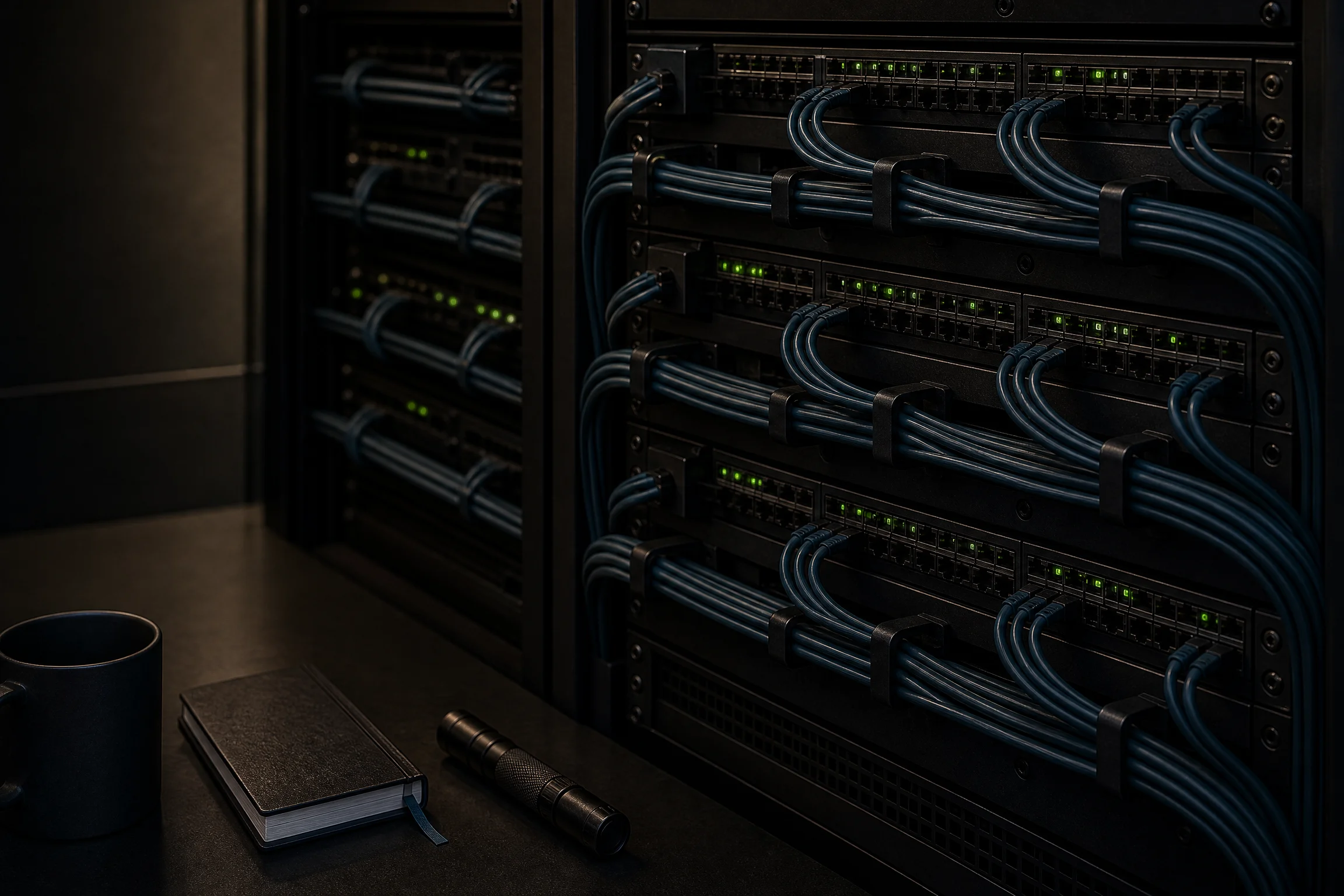
Dark server rack and network topology workspace
Topology 04Live dependency map
Layer / edge

Trace reachability first.

Confirm DNS, route and transport from the user boundary inward. Record where latency begins before restarting a service.

Normal
Stable path and handshake
Watch
Regional loss or route drift
Verify
Compare two vantage points

02 / Incident drill

Build a response under pressure.

Select a symptom, suspected layer and responsibility level. The console returns a distinct first action, evidence list and escalation boundary.

Incident-response tools beside an amber warning lamp
SimulationControlled failure surface
Scenario ready

Verify the network path without changing service state.

Capture a route trace from two locations and compare the first slow hop. Preserve timestamps before attempting remediation.

  • Evidence: route, handshake and error rate
  • Escalate when: loss crosses the service boundary
  • Handover: record scope, time and owner

03 / Module roster

Six shifts. One operating rhythm.

Open each module to see its practical task, evidence and completion standard. Theory supports the drill rather than replacing it.
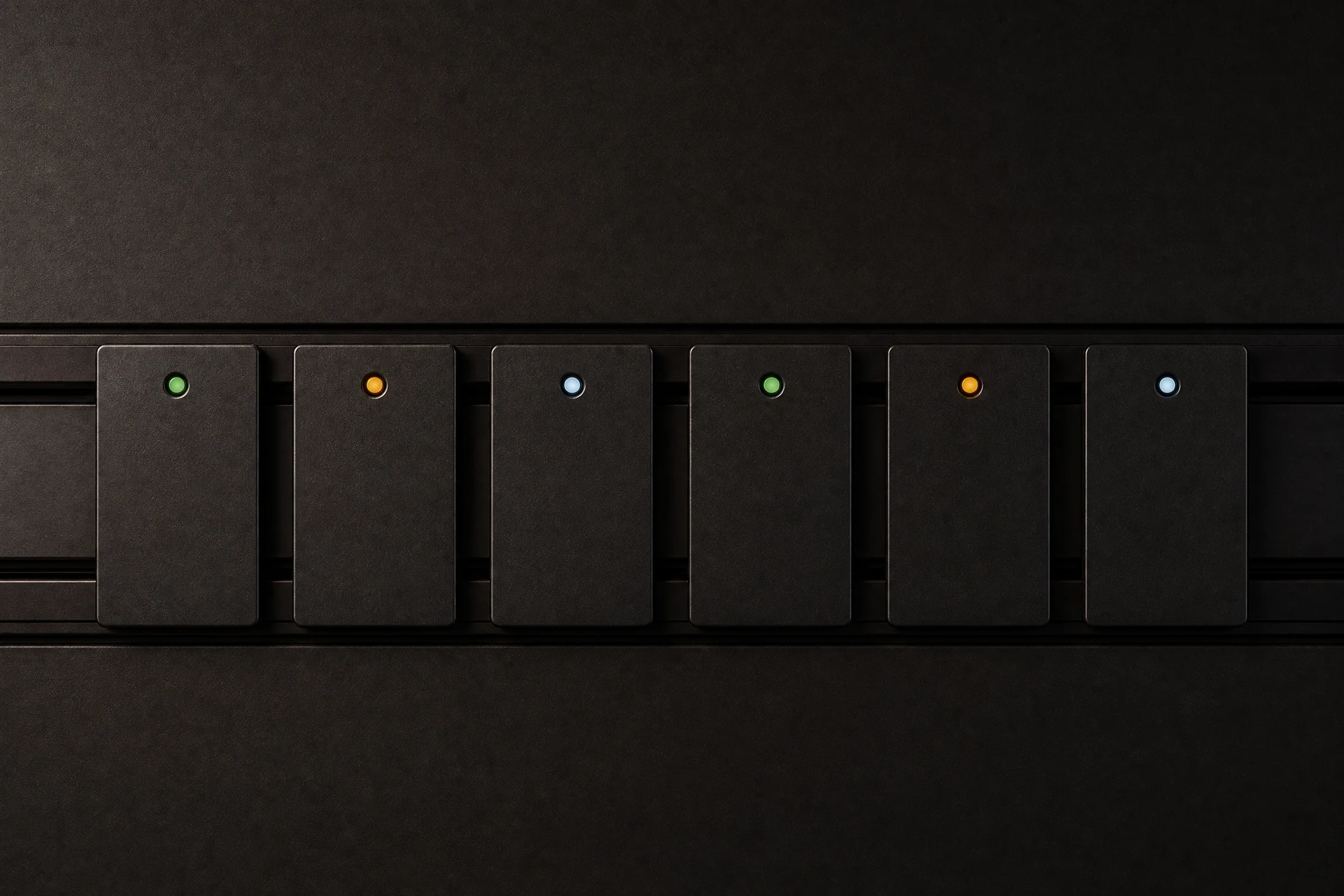
Six modular status blocks arranged as a course roster
Roster NS-04Six staged modules
Module 01

Read the system map

Trace a request across edge, service, data and identity layers. Mark two dependencies and one failure boundary.

Evidence: annotated route map and a three-minute verbal handover.
Quiet server observation bay during a night shift
Observation baySignal before alert

04 / Observation window

Choose how much signal to trust.

Move the window from immediate response to trend review. Each position changes what you may conclude and what remains unsafe.

ImmediateShiftTrend

Immediate triage

Use live error, saturation and reachability signals to limit impact. Do not call a durable trend from a short outage window.

Decision: stabilise first, explain later.
EdgestableServicestableIdentityreviewDatastable

05 / Recovery lab

Restore service without erasing evidence.

Choose a recovery path. The lab keeps the action, verification and rollback condition together.

Protocol / failover

Move traffic, preserve the failed state.

Confirm the standby is current, redirect a bounded share and compare service health before full transfer.
  • Verify: error rate and data freshness
  • Stop when: divergence increases
  • Record: start, owner and rollback point
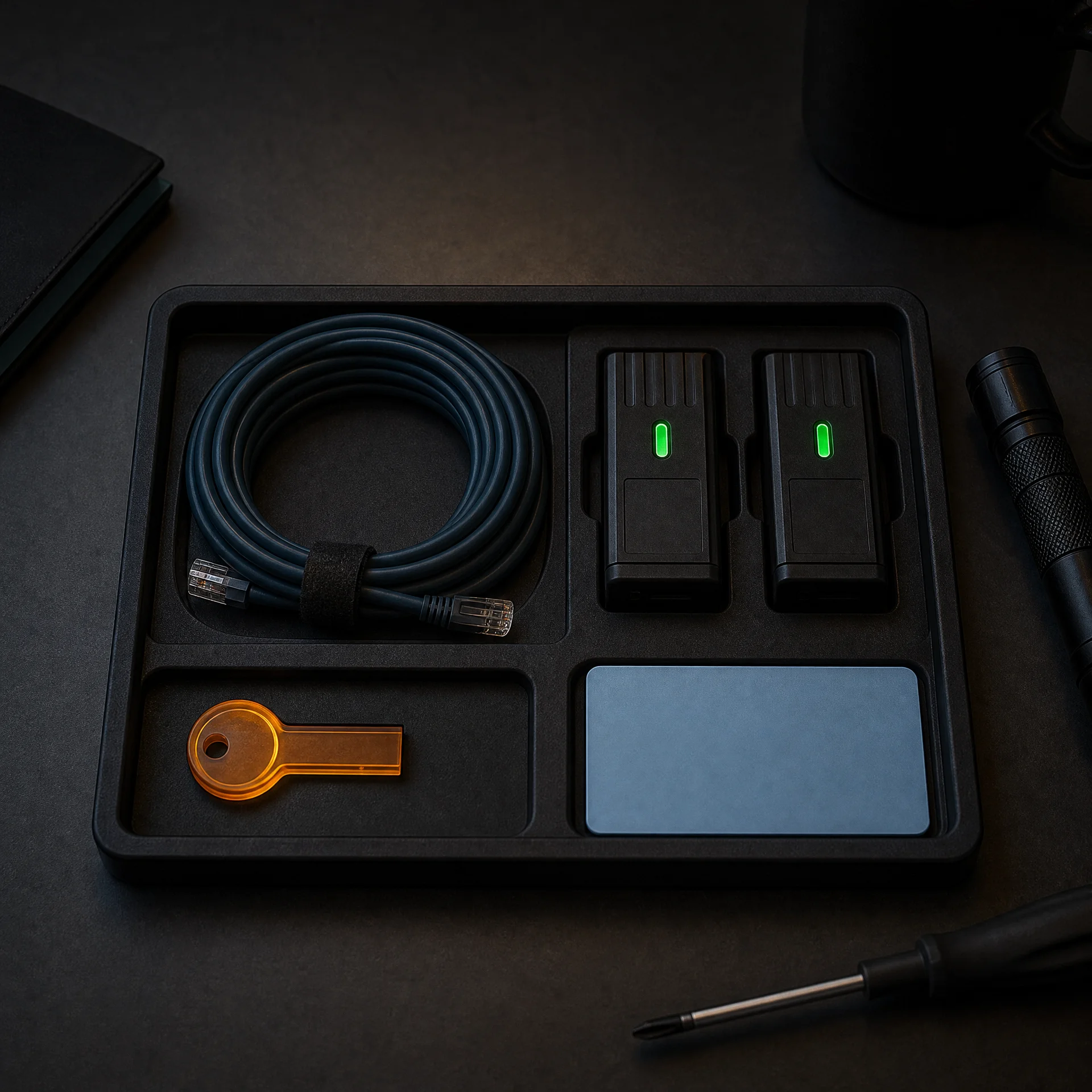
Recovery kit with cables, switches and diagnostic tools
Recovery kitTools arranged by protocol

06 / Entry route

Bring foundations, not bravado.

The course assumes basic command-line, networking and troubleshooting literacy. Choose a prerequisite to see the expected starting evidence.

Shell literacy

Navigate files, inspect processes, read permissions and run commands carefully. You do not need advanced scripting.

Starting proof: explain a command before running it.
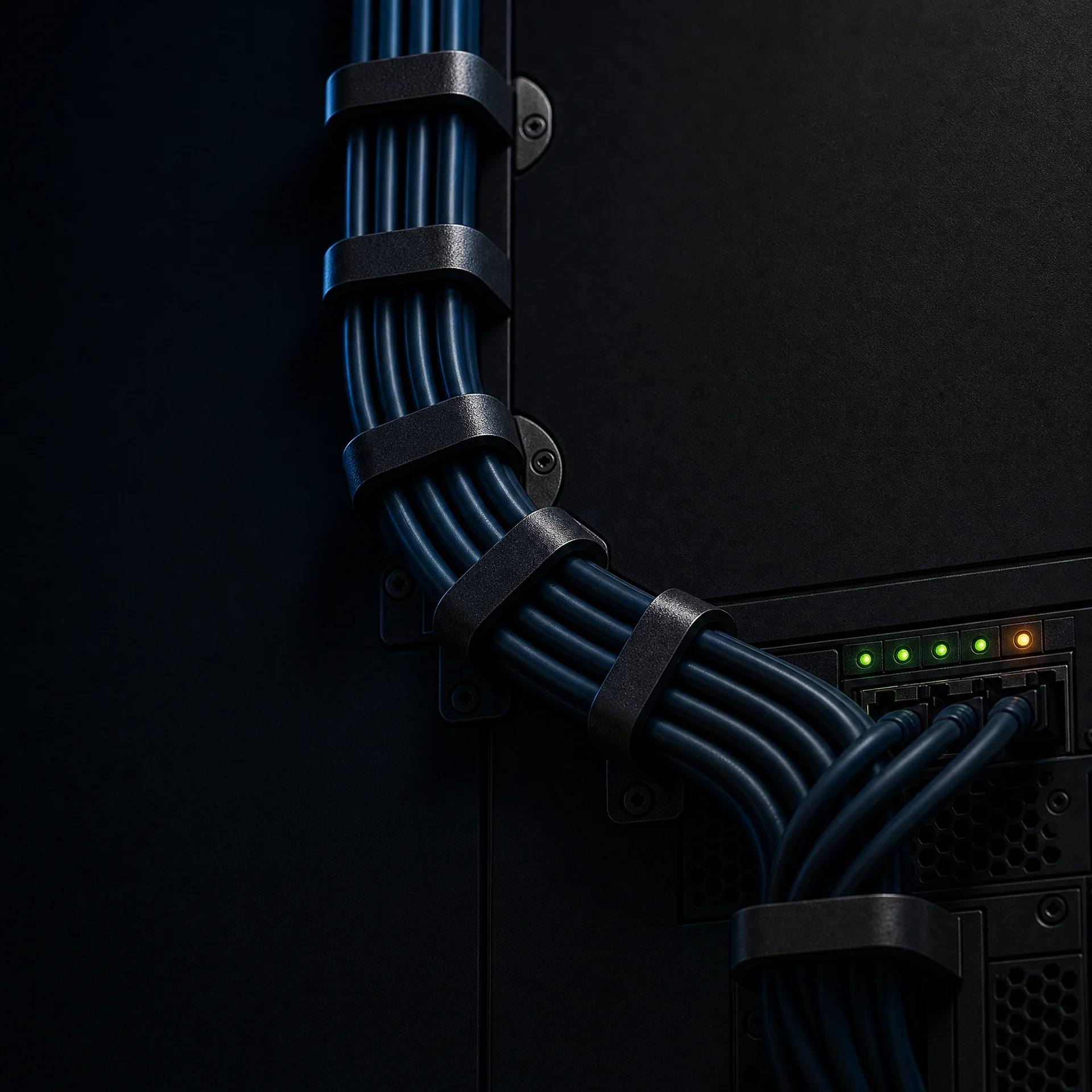

Organised infrastructure cable route with status indicators
Entry routeKnown path before speed
Open night-shift handover notebook beside a server rack
Handover ledgerWritten context survives the shift

07 / Weekly handover

A realistic learning schedule.

Each week combines a briefing, independent practice, a timed drill and a reviewed handover. The model is demanding but predictable.

MonBrief45 min / concept map
WedPractice90 min / guided lab
FriIncident60 min / timed drill
SunHandover30 min / evidence review

Accessibility: written transcripts, keyboard-operable controls and flexible asynchronous practice are included. Live review times are arranged separately.

08 / Readiness console

Match evidence to responsibility.

Select a target role and current practice level. The console returns an honest next assessment rather than a job promise.

Next evidence

Complete a guided diagnosis.

Explain the system path, isolate one fault and write a rollback-safe action with supervisor prompts available.

Completion is evidence of practice, not a guarantee of employment.

Operational status lamps used as an assessment signal bank
Assessment bankEvidence over confidence

Basic command-line, networking and troubleshooting literacy is expected. The entry route shows the evidence you should be able to explain before the first shift.

A typical week includes a short briefing, an independent lab, a timed incident and a reviewed handover. Live review times are agreed with the cohort.

A completion record may document the modules and assessed evidence completed. It is not a professional licence, vendor certification or guarantee of employment.

No. Drills are controlled simulations based on common operating patterns. They develop method and communication without exposing a real production environment.

Feedback covers evidence collection, sequencing, risk, communication and recovery verification. It identifies the next practice target rather than assigning a vague score.

The course cannot guarantee employment, promotion, certification recognition or competence in every technology. Production judgment develops through continued supervised practice.
Night-shift application clipboard beside an operations console
Application stationChoose a realistic entry shift

10 / Shift application

Request the next cohort brief.

This static demonstration validates locally and does not transmit your fields. Use it to inspect the application flow without creating an account.

  • Choose a realistic experience level
  • Name the operating skill you want to practise
  • Review the course limits before submitting
Enter your name.
Enter a valid email address.
Choose a current role.
Choose a review window.
Describe a practice goal.
Consent is required.
Application prepared locally.No data was sent. Your fields remain visible for review.
Tubareqoli

Shift map

01System map02Incident drill03Module roster04Observation05Recovery lab06Entry route07Schedule08Assessment09Questions10Contact